News
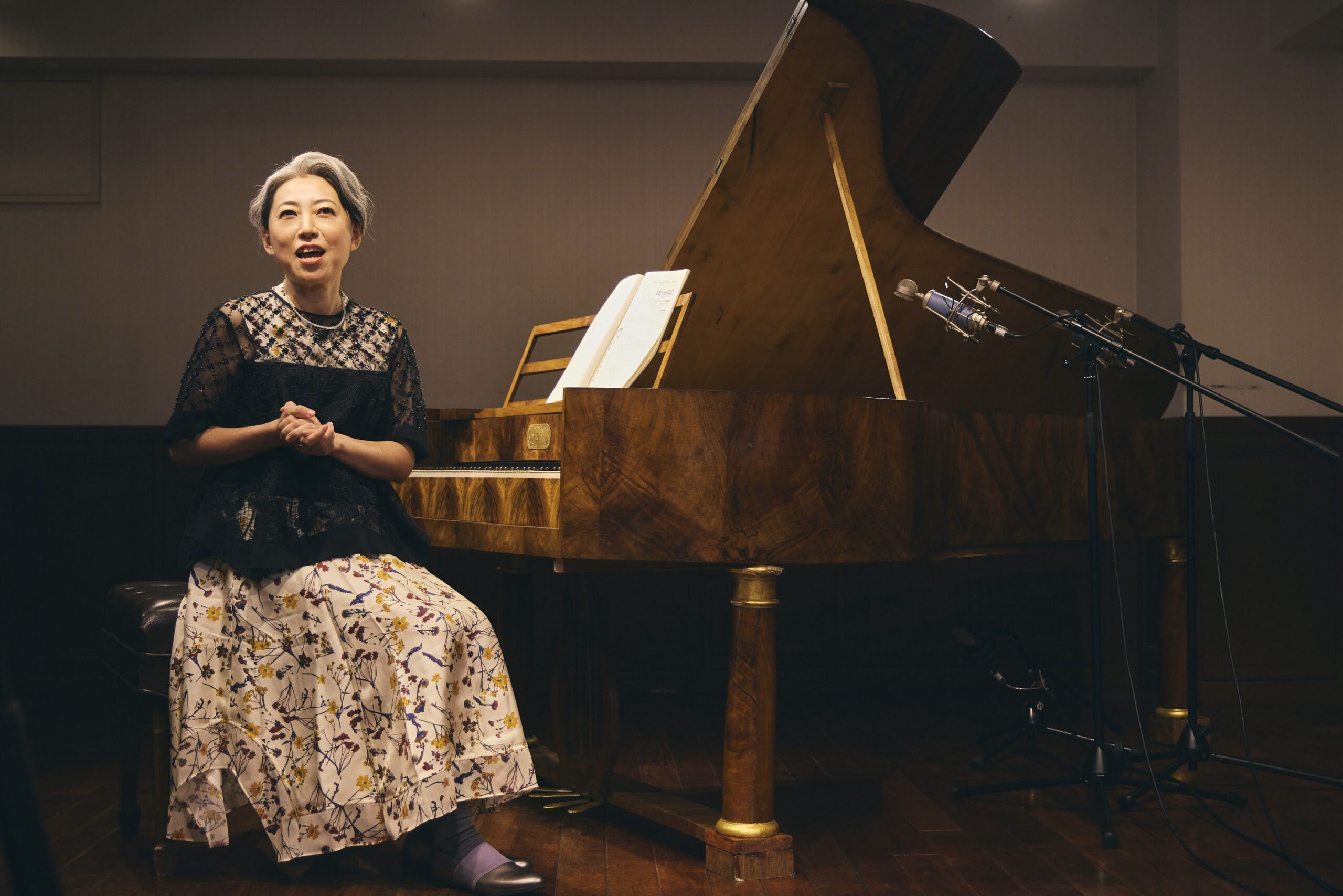
皆様、こんにちは。丹野めぐみです。
ここから、8つの小品からなるセヴラックの『休暇の日々から』第1集の演奏が始まります。
その記念すべき最初の曲、「シューマンへの祈り(Invocation à Schumann)」をお届けします。
「Pray」ではなく「Invocation」である理由
日本語では「祈り」と訳されるこのタイトルですが、セヴラックは「Pray for Schumann」とは書きませんでした。
「Invocation」という単語の中には「Voice(声)」という語源が含まれています。
それは単なる祈りではなく、シューマンの飾り気のないシンプルな魂(Geist)を、今ここへ「呼び起こす」ための心の内なる声なのです。まるでセヴラック自身が、自らに対して呼びかけているかのようにも響きます。
「子供」という概念の誕生とシューマン
セヴラックがこの曲を通して念頭に置いていたのは、間違いなくシューマンの傑作『子供の情景(作品15)』です。
この作品が書かれた1838年当時、ドイツ文学や文化においてようやく「子供」という概念が生まれ始めました。
驚くべきことに、それ以前の時代において、子供は単なる「小さな大人」としてしか見なされていなかったのです。
シューマンの音楽は、その「子供」という純粋な魂の概念を文化に決定づける、極めて重要な役割を果たしました。
変身願望と、時を超えた郷愁(タイムレス・ノスタルジア)
シューマンの魂への「呼び声」をプロローグとして、これから7つの小さな物語が始まります。
教会のスイス人に変身したいと願う子供。あるいは、もう一度子供時代に戻りたいと願う大人。
誰かが別の誰かになりたい、あるいは過去に戻ってみたいと願う「変身願望」。
それこそが、私がこのプログラム全体を『タイムレス・ノスタルジア(時代を超越した郷愁)』と名付けた最大の理由です。
シューマンの魂を呼び起こすこの曲から、私たちの時を超えた自由な旅が始まります。どうぞ、これから続く小さなミニチュアの物語たちをお楽しみください。
【Not a Prayer, but a “Calling”: Séverac’s “Invocation to Schumann” and the Dawn of Timeless Nostalgia】
Hello everyone, this is Megumi Tanno. Today marks the beginning of our journey through the eight pieces of Déodat de Séverac’s suite En Vacances, Book 1. I performed the very first piece: “Invocation à Schumann” (Invocation to Schumann).
Why “Invocation” and Not “Prayer”
While often translated simply as a “prayer,” Séverac did not write “Pray for Schumann.” The word “Invocation” inherently contains the root word “Voice.” It is not merely a passive prayer, but an inner voice calling out, seeking to awaken Schumann’s unadorned, simple soul (Geist) right here and now. It sounds almost as if Séverac is calling out to himself through this music.
Schumann and the Historical Birth of the “Child”
When writing this, Séverac undoubtedly had Schumann’s famous masterpiece, Kinderszenen (Scenes from Childhood, Op. 15), in his mind and heart. Around 1838, when Kinderszenen was composed, the very concept of the “Child” was just beginning to emerge in German literature and culture. Astonishingly, before that era, children were often regarded merely as “little adults.” Schumann’s music played a deeply important role in defining the pure concept of childhood in cultural history.
The Desire to Transform and “Timeless Nostalgia”
Acting as a prologue through this “calling,” seven small stories are about to unfold. A child wishing to transform into a Swiss church guard; an adult yearning to return to their childhood. Characters harboring a profound “desire for transformation”—wanting to become someone else or travel back to the past.
This powerful desire is the exact reason I titled this entire program “Timeless Nostalgia.” Our free journey through time begins with this piece, calling upon the soul of Schumann. Please enjoy the seven miniature stories that follow.