News
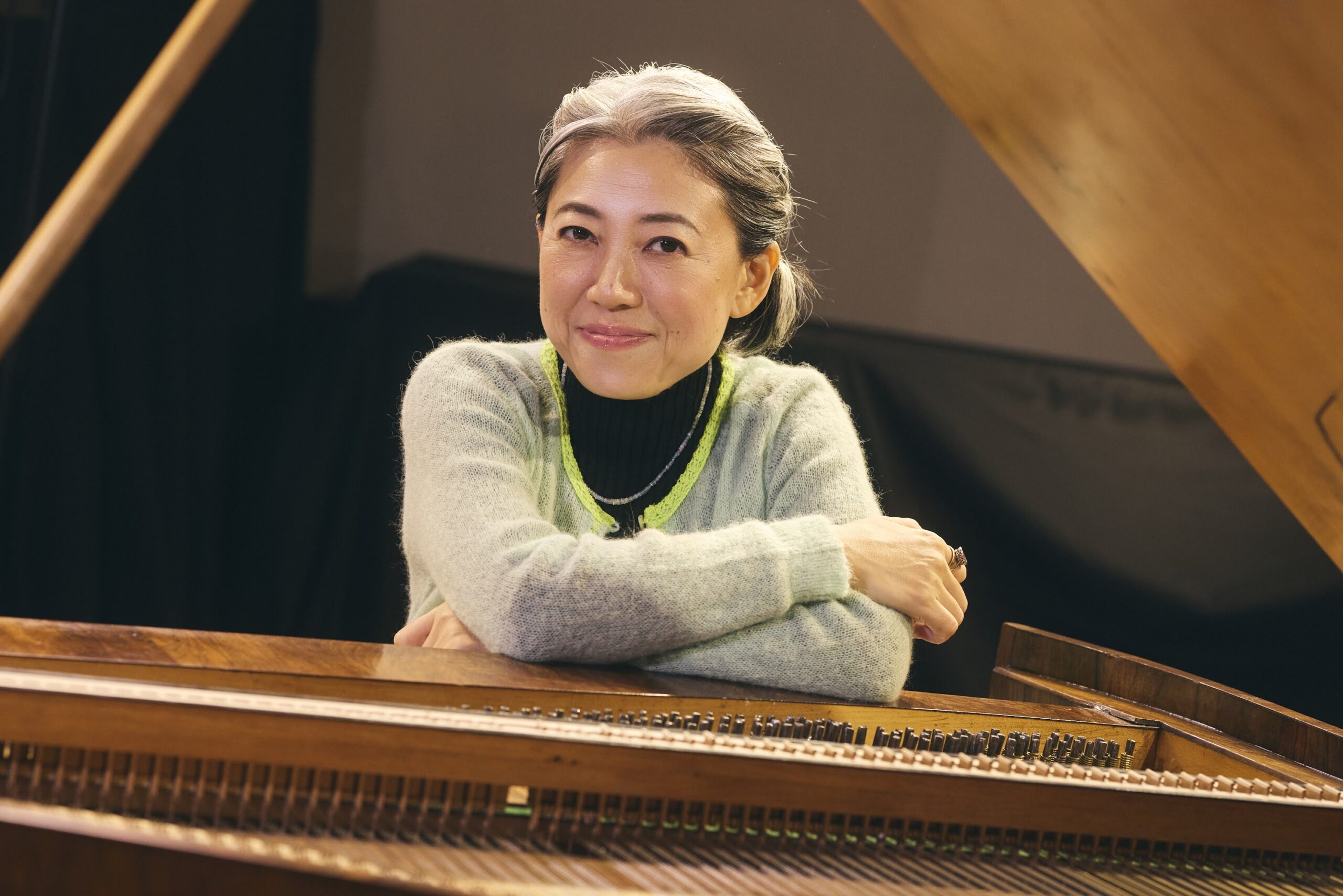
1825年製のフォルテピアノでお届けする、デオダ・ド・セヴラックの『休暇の日々から』第1集より、「ちいさなお隣さんたちが訪ねてくる」を演奏いたしました。
目に見えない小さな来訪者たち
この曲には、小さな女の子や男の子、あるいは目に見えない「妖精」のような存在が、ちょこちょこと遊びにやってくるような情景が描かれています。
そのユーモラスな空気感を生み出している秘密が、セヴラックが散りばめた「アポジャトゥーラ(前打音)」です。もしこの前打音をすべて外してメロディーだけを弾いてみると、音楽はとても平坦で、何も起きていないように聴こえます。
しかし、この小さな装飾音が付くことで、ウィット(遊び心)が効き、ただのメロディーに魔法のような華が添えられるのです。視覚的にも、手を交差させる動きがとても楽しい作品です。
楽器に「呼吸」させるためのテンポ
セヴラックは楽譜に「ロンド風に、陽気に、やや速めに」と指示を書いています。
しかし、今日私はあえてそこまで速いテンポでは演奏しませんでした。なぜなら、この1825年製のフォルテピアノを豊かに共鳴(レゾナンス)させるためには、音と音の間に十分な「時間と空気(呼吸)」を与えてあげる必要があるからです。
「変身(Transformation)」というテーマの始まり
さて、この曲を含むこれからの4つの小品は、一つのまとまったテーマを持っています。
それが「変身(Transformation)」です。
「自分の中の分身が、今の自分とは違う他の何かになれるかもしれない」。
小さな子供たちがよく抱くそんな夢想を繰り返し、彼らはファンタジーの世界へ飛び出していきます。
音楽の形式上はまた元の場所(現実)に戻ってきますが、その「変身」という想像の旅を通じて自分を見つめ直した時、その人はすでに、この世で「新しい存在」として生きているのです。 フォルテピアノが呼吸する音色と共に、この遊び心に満ちた変身のストーリーをお楽しみください。
【The Magic of Grace Notes and a Breathing Tempo: Séverac’s “The Little Neighbors” and the Fantasy of Transformation】
Hello everyone, this is Megumi Tanno. Today, I performed Déodat de Séverac’s “Les petites voisines en visite” (The Little Girl Neighbors Visiting) from his suite En Vacances, Book 1, played on an original 1825 fortepiano.
Invisible Little Visitors and the Magic of Appoggiatura
This piece paints a delightful scene of little girls, boys, or perhaps even invisible “fairies” popping in for a visit. The secret behind this humorous and playful atmosphere lies in Séverac’s use of the “appoggiatura” (grace notes). If you were to play just the bare melody without these grace notes, the music would feel quite flat, as if nothing were happening. However, adding these tiny ornaments injects wit and playfulness, adding a magical sparkle to a simple melody. Visually, the hand-crossing technique makes it very fun to watch and play.
A Tempo That Allows the Instrument to “Breathe”
In the score, Séverac indicates the tempo as “in the style of a rondo, cheerfully, and somewhat fast.” However, today I intentionally chose not to play it too fast. The reason is that in order to allow this 1825 fortepiano to truly resonate, I need to give the instrument enough “time and air”—it needs space to breathe between the notes.
The Beginning of the “Transformation” Theme
This piece, along with the next three small pieces in the suite, forms a cohesive narrative centered around a specific theme: “Transformation.” “Perhaps a part of me, a little alter ego, could become something entirely different from who I am now.” Repeating this daydream, little children (and perhaps the child within all of us) leap out into a world of fantasy.
Though the musical form eventually brings them back to reality, the person who returns has looked at themselves through the lens of that “transformation.” They are, in a sense, already living in this world as a new being. I hope you enjoy this playful story of transformation, accompanied by the breathing resonance of the historical fortepiano.