News
【Menschと祈り】見えない劇場(Invisible Theater)の幕開け。私が現代にクラシック音楽を奏でる理由
“Invisible Theater”: Why I Play Classical Music in the Modern Age

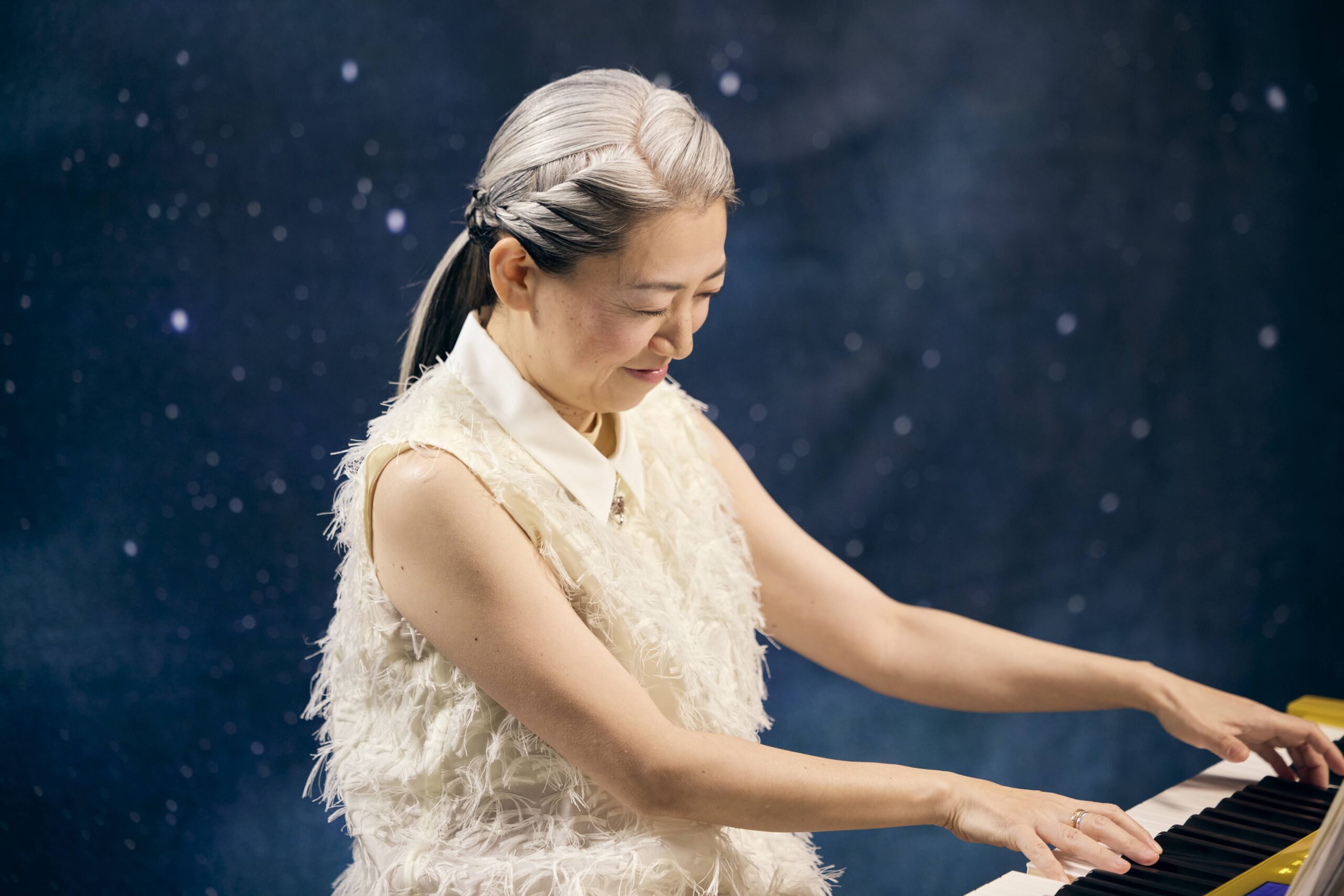
皆様、こんにちは。丹野めぐみです。
私がこのYouTubeチャンネルを通じた旅を始めてから、2年が経ちました。地球上のどこかにいる、まだ見ぬ同志の皆様と毎週金曜日に音楽を共有できることを、心から深く感謝しています。
本日は、私が「なぜ音楽を奏でるのか」、そして「私が何者であるのか」という、少し内面的なお話をしたいと思います。
AI時代における「直感」と「鳥肌」
現代は、AIやコンピューターに問いかければ、どんな情報でも瞬時に手に入る時代です。しかし、AIにできないことが一つだけあります。
それは、私たちの身体に「鳥肌(Goosebumps)」を立てること、そして心の奥底に言葉にならない温かさを灯すことです。
音楽には、人間の「直感」に直接触れ、魂を震わせる力(Healing Power)があります。情報が溢れる時代だからこそ、この目に見えない音楽の力が、かつてないほど重要になっていると私は信じています。
Mensch(人間)としての作曲家たち
私がフォルテピアノをはじめとする歴史的楽器を研究し、奏で続ける理由。それは、モーツァルトやバッハ、ベートーヴェンといった偉大な作曲家たちに「近づきたい」、彼らが何者であったのかを「知りたい」からです。
彼らは歴史上の偉人として神格化されていますが、決して手の届かない存在や、過去の遺物(Dead body)ではありません。
ドイツ語に「Mensch(メンシュ)」という美しい言葉があります。
「人間」という意味ですが、そこには「共に同じ痛みを生きる者」という深いニュアンスが含まれています。
彼らも私たちと同じように、愛する者を失い、人生の不条理や「生老病死」という普遍的な苦悩(Universal pain)を経験したMenschでした。だからこそ、彼らの音楽には、悲しみを浄化(Purifying)し、「明日もまた生きていこう」と思わせる希望の光が宿っているのです。
私は演奏家として、彼らを「いま、目の前を生きている人間」として現代に蘇らせたいと常に願っています。
小さな炎としての「祈り(Inori)」
私たちは誰もが、それぞれの苦悩を抱えて生きています。あなたは決して一人ではありません。音楽は、その痛みを優しく和らげ、共に人生を歩んでいくための力となります。
私の奏でる音楽が、皆様の心の中に灯るキャンドルのような小さな炎、すなわち「祈り(Inori)」となることを願ってやみません。
2026年、新コンセプト「Invisible Theater」
今年、私は『Invisible Theater(見えない劇場)』というテーマを掲げました。
劇場は通常、目に見えるもの(Visible)を楽しむ場所ですが、私たちの人生を本当に動かしているのは、いつだって「目に見えないもの(Invisible)」です。
今年は、ロベルト・シューマンの深淵なる作品群や、敬愛するミヒャエル・ツァルカ博士との共演を通じて、この「見えない精神世界」を探求していきます。
この知的な旅路を、引き続き皆様と共に歩めることを楽しみにしています。
【Mensch and Prayer: The Dawn of the “Invisible Theater” – Why I Play Classical Music in the Modern Age】
Hello everyone, this is Megumi Tanno.
It has been two years since I began this musical journey on YouTube. I am profoundly grateful for the opportunity to share music every Friday with kindred spirits across the planet, many of whom I have yet to meet.
Today, I would like to share a bit about my inner world—who I am, and why I continue to play music.
Intuition and “Goosebumps” in the Age of AI
We live in an era where AI and computers can instantly provide us with answers to almost anything. However, there is one thing AI cannot do: it cannot give us “goosebumps.” It cannot create that indescribable warmth deep within our hearts.
Music possesses a unique healing power that touches our human intuition and moves our souls. I believe that in this information-saturated age, this invisible power of music is more crucial than ever before.
Composers as Living “Mensch” (Human Beings)
The reason I continue to study and perform on historical instruments like the fortepiano is simply that I want to be closer to the great composers—Mozart, Bach, Beethoven. I want to know who they truly were.
Though they are often idolized as historical figures, they are not out of reach, nor are they mere dead bodies of the past.
There is a beautiful German word, “Mensch” (human being). To me, this word carries a profound resonance: it signifies beings who live through the same pains we do. These composers experienced the loss of loved ones, the absurdities of life, and the universal pain of existence, just as we do. Because of this, their music holds the power to purify our sorrow and gives us the hope to try again tomorrow.
As a musician, my ultimate challenge is to bring them back to life, treating them as living, breathing human beings right before our eyes.
Music as a “Prayer” (Inori)
We all carry our own struggles; you are never alone in your suffering. Music softens that pain and gives us the strength to walk through life together.
I constantly hope that my music can become a “prayer” (Inori)—a small, warm flame, like a candle, lit within your heart.
“Invisible Theater”: The Concept for 2026
This year, I have chosen a new overarching theme: “Invisible Theater.”
A theater is usually a place to see the visible. But I believe that the things that truly move our lives forward are always invisible.
Throughout 2026, I will explore this unseen spiritual world, focusing heavily on the works of Robert Schumann, as well as collaborating with my esteemed colleague, Dr. Michael Tsalka.
I look forward to continuing this fascinating journey with all of you.
Thank you for listening.